More Than What You See
Alopecia Areata
is an autoimmune disease with effects that reach far beyond hair loss — touching mental health, identity, relationships, work, and daily life.
coloring book
About
Beyond the Mirror
Alopecia areata is often dismissed as a cosmetic condition. It isn't. It's a common autoimmune disease in which the immune system attacks healthy hair follicles — with consequences that can extend far beyond visible hair loss, taking a serious toll on mental health, identity, relationships, education, employment, and financial well-being.
Beyond the Mirror brings together scientific evidence and lived experience to reveal the full burden of alopecia areata and to support better-informed decisions about care, treatment, coverage, and policy.
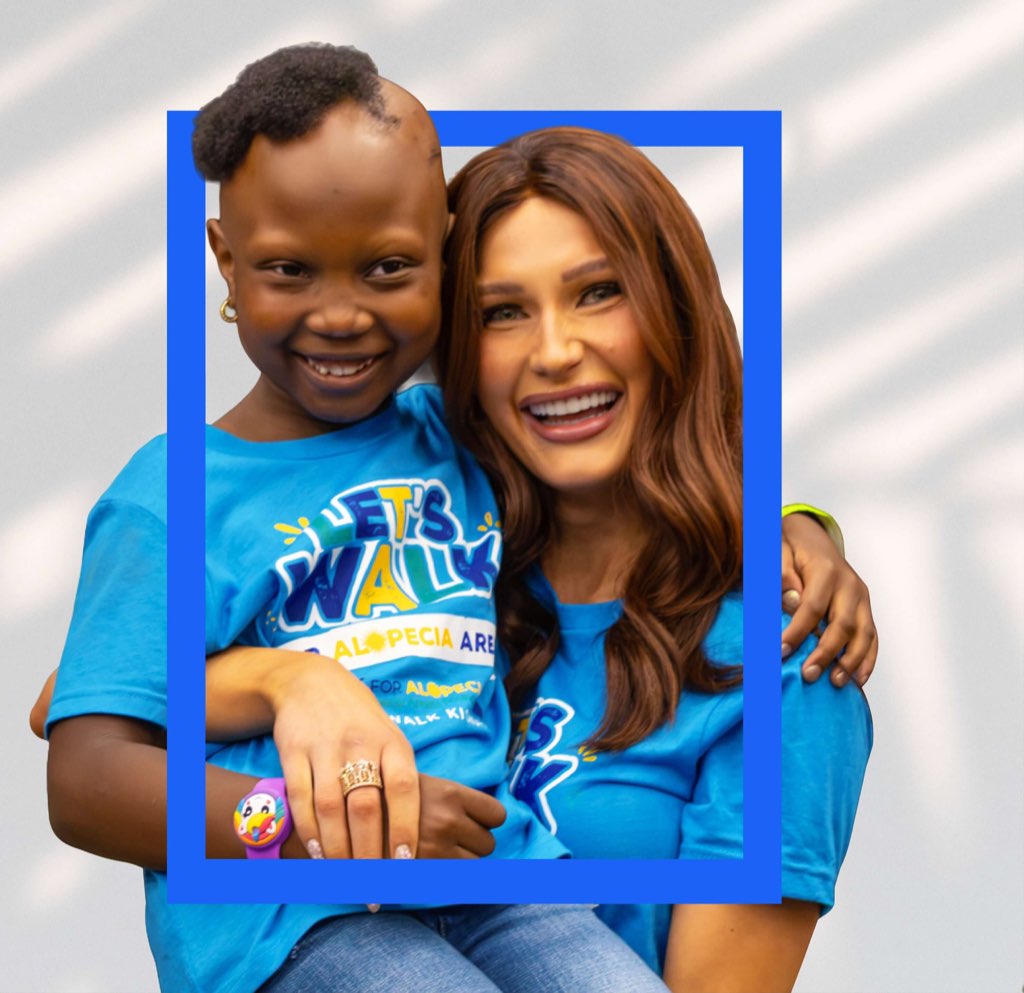
Hair loss is a sign. The cause and impact are hidden.
Alopecia Areata
Alopecia areata is a common autoimmune disease — not a cosmetic condition. Hair loss is the visible sign; the disease itself, and its impact, run far deeper.
How common is it?
-
More than 80% first show signs of the disease before age 40; 40% by age 20. Onset often begins in childhood or early adulthood.3
-
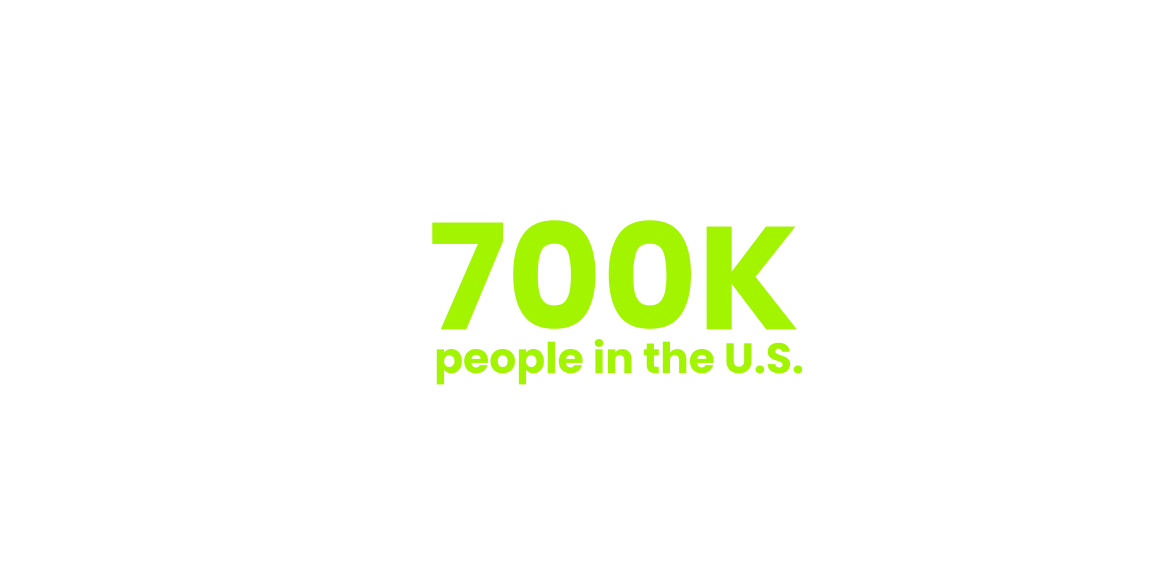
0.1–0.2% of the population currently live with alopecia areata–related hair loss2
67% of cases occur in women with most adults diagnosed between ages 30 and 49.4
-

160M or 1 in 50
people affected worldwide — about 2% of the global population1
About 20% have at least one immediate family member who also has the disease.5

The Awareness Gap: Most People Don’t See a Disease
In a 2021 study published in JAMA Dermatology, 2,015 U.S. adults were shown photos of individuals with varying degrees of alopecia areata and asked whether the person pictured had a medical condition.

66.4%
of people did NOT recognize mild alopecia areata as a medical condition — they just saw hair loss.6
The Takeaway:To the majority, mild alopecia areata looks like a hair issue, and not a medical condition.
The Impact – On Mental Health, Daily Life, and Money
- Mirzoyev SA, et al. J Invest Dermatol. 2014;134(4):1141–2.
- Benigno M, et al. Clin Cosmet Investig Dermatol. 2020;13:259–66.
- Villasante Fricke AC, et al. Clin Cosmet Investig Dermatol. 2015;8:397–403.
- Sy N, et al. JAMA Dermatol. 2023;159(4):419–23.
- Huang Y, et al. J Autoimmun. 2025;151:103378.
- Creadore A, Manjaly P, Li SJ, et al. Evaluation of stigma toward individuals with alopecia. JAMA Dermatol. 2021;157(4):392–8.
- NAAF Community Survey, n=216.
- Macbeth AE, et al. The associated burden of mental health conditions in alopecia areata: a population-based study in UK primary care. Br J Dermatol. 2022;187(1):73–81.
- Christensen T, Yang JS, Castelo-Soccio L. Bullying and quality of life in pediatric alopecia areata. Skin Appendage Disord. 2017;3(3):115–8.
- Mostaghimi A, et al. Dermatol Ther (Heidelb). 2022.
Follow Along
Join the conversation and see the latest from across the community. Use the hashtag #MoreThanHairLoss on social media to share your story and help others see the person beyond the diagnosis.